

What Happens When You Give Claude Access to Your Flexible Workspace Sales, Marketing, Financials and Inventory? £3.2 Million Things.
What five operator teams did with Claude and one dataset at GCUC Manchester last week — and why the speed of it should worry anyone still waiting for their vendor to ship AI.

A little while back I wrote about the three camps of AI adoption forming in flexible workspace — CEO-led, IT-led, and team-led. Plenty of you saw yourselves in one of them. If you didn’t see it you can find it here: The 3 AI Adoption Personas Emerging in Flexible Workspace
A framework is just a framework, though, until you watch it do something. Last week at GCUC Manchester, the crowd watched it do something.
“Your Pipeline Is Lying to You”
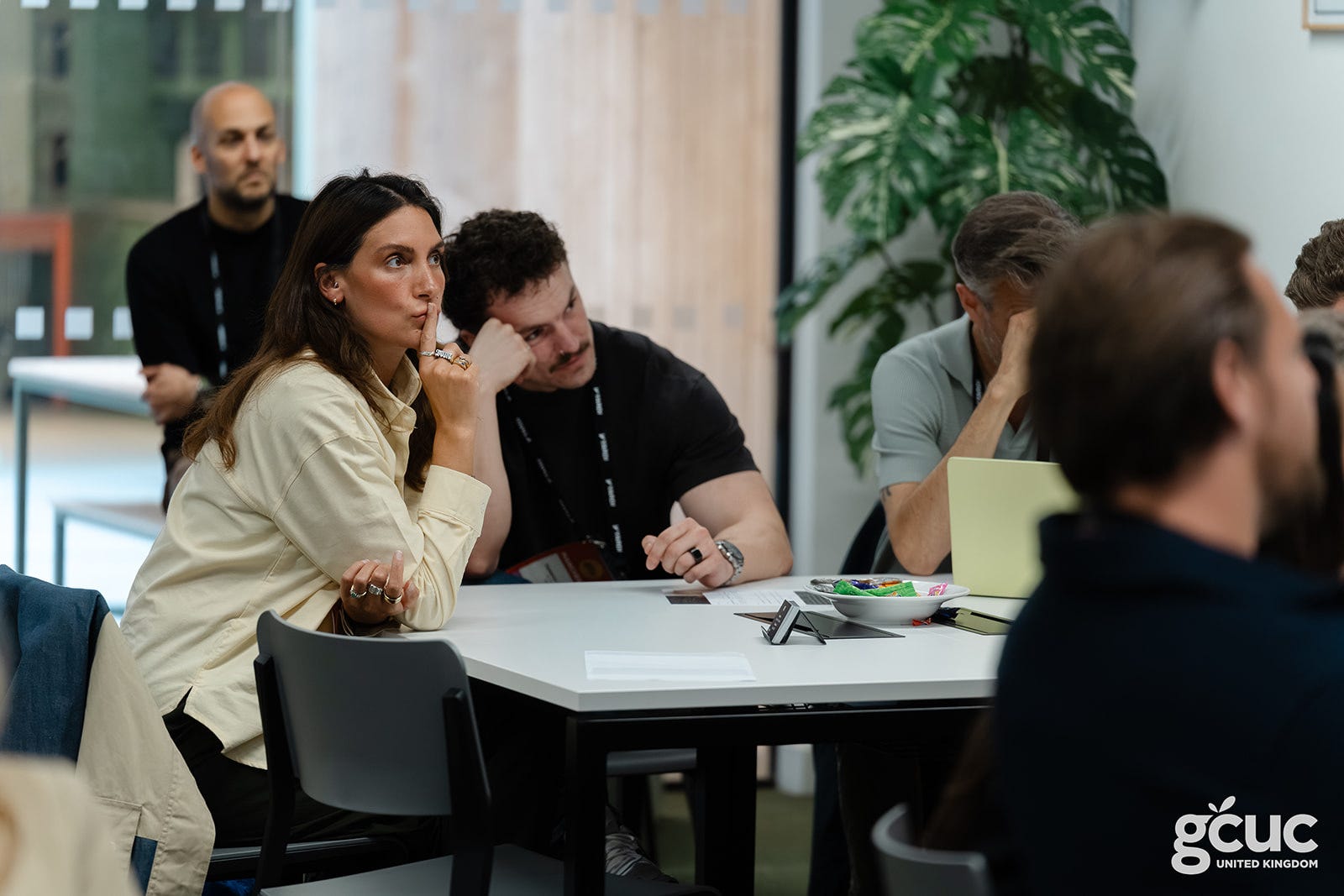
That was the title of the workshop the Koho.ai team ran, hosted by Keke Patissier, Koho’s CEO and co-founder, and Oliver Easton-Hughes, Chief Strategy Officer. The premise was deliberately uncomfortable:
Most operators are confidently wrong about where their revenue actually will be.
The dashboards say what you want them to say. Meanwhile, buried in the data, there are accounts that aren’t being charged, renewals slipping later than they should, and value sitting in places nobody thinks to look.
So we gave five teams the same three things: a live operator dataset, laptops, and a tool. Identical data for everyone. The only variable was the questions each team chose to ask.
What the teams were actually holding
Here’s the part that matters, because it’s the difference between a parlor trick and a capability.
The tool wasn’t a chatbot stapled to a spreadsheet. Each team was working with Claude-powered tools sitting on top of Koho Intel — the industry’s first Model Context Protocol built for flexible workspace.
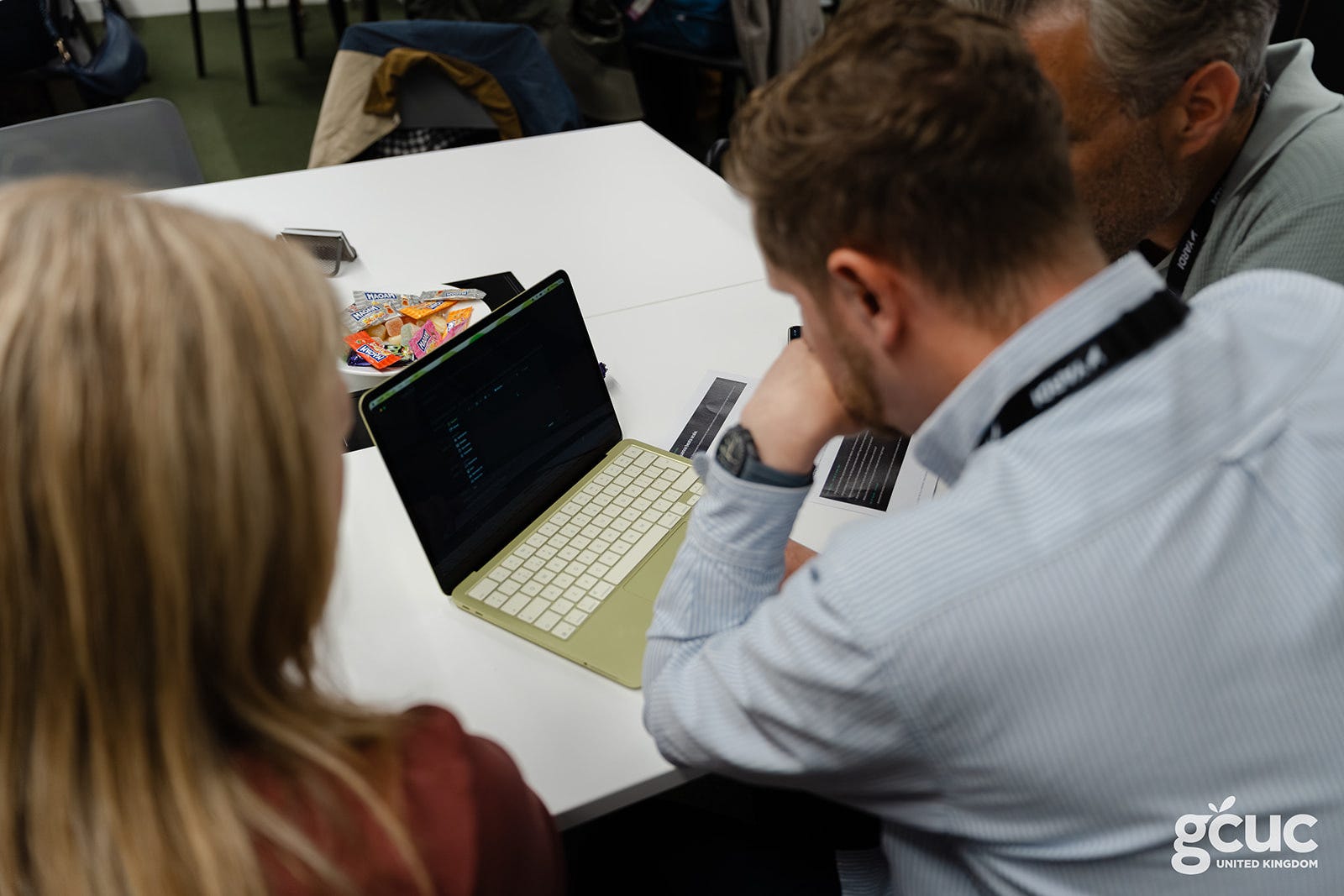
In plain English: every part of an operator’s business — sales, financials, marketing, inventory — read into a single model that an AI can query securely and in real time. Not a CRM export. Not last quarter’s board pack. The whole operation, in one place, answerable in natural language.
That’s the unlock. Nobody in those teams needed to write a line of SQL or wait on an analyst. They needed good questions. The system did the rest.
The winning team found £3.2 million in under an hour.
What happened next is the whole point.
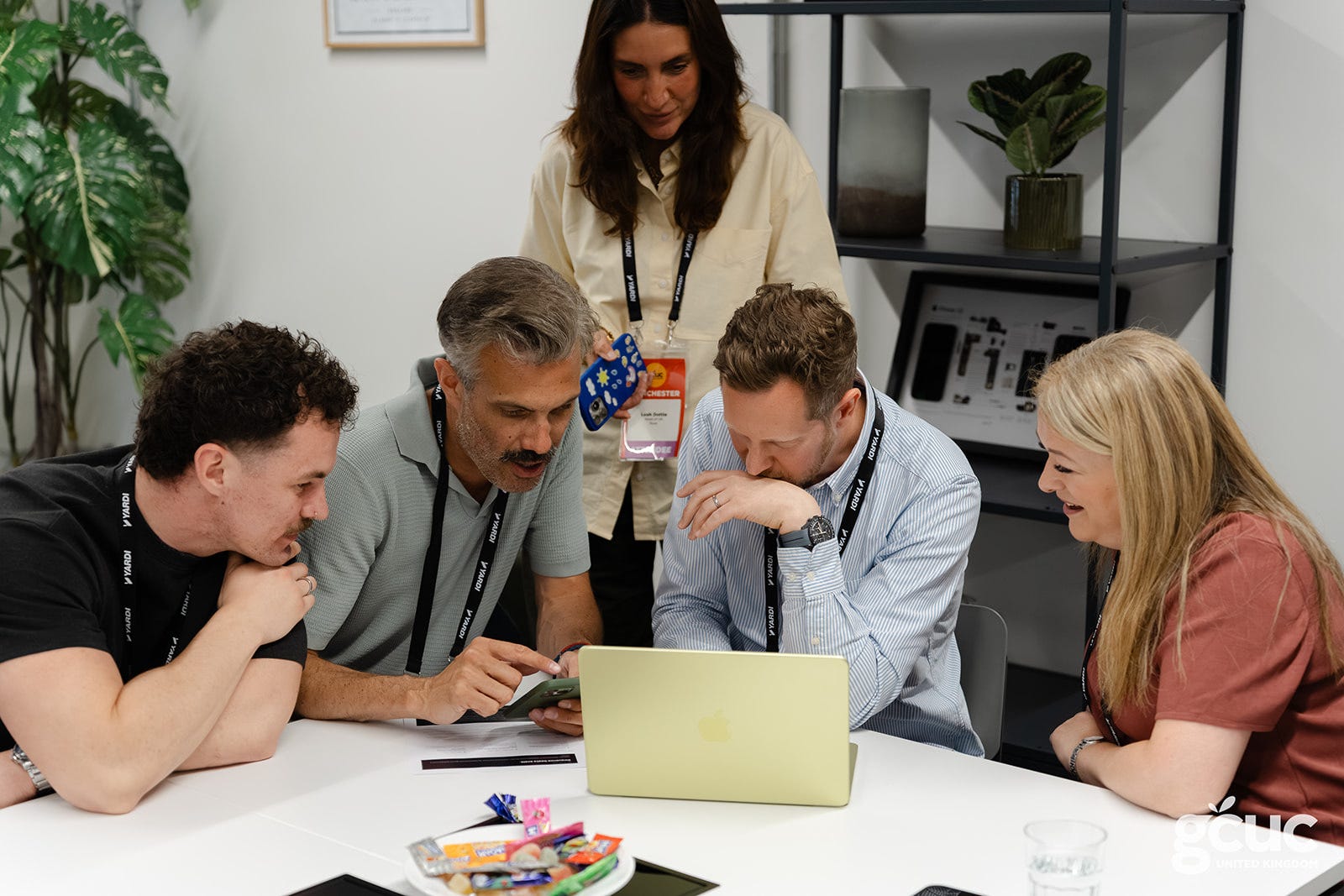
The teams worked the data live — changing prompts, chasing hunches, following the thread wherever it went. Five teams, the same underlying numbers, five genuinely different strategies. Different answers, because they asked different questions.
One team went looking and surfaced £3.2 million in revenue the operator wasn’t seeing.

Then — my favorite detail — they had enough time left over to design a logo for their strategy before they presented it.
£3.2 million. With time to spare for branding.
What Flexible Workspace CEOs should sit with
I want to be precise about what that demonstrates, because it’s easy to file under “fun AI demo” and move on.
It isn’t a demo. It’s a preview of how revenue decisions are about to get made.
For most of this industry’s history, the path from “I have a question about my business” to “here’s a defensible strategy with a number on it” ran through weeks of analyst time, a consulting engagement, or a finance team drowning in exports. Asking a hard question was expensive enough that most operators only asked a handful a year.
That cost just collapsed.

When the full context of your business lives in one place you can interrogate in plain language, the loop from question to insight to decision to action shrinks from weeks to minutes. You can ask ten hard questions before lunch. You can be wrong quickly and cheaply, then ask a better one.
Speed of learning becomes a weapon. And right now it’s an unevenly distributed one.
This is what Camp 1 actually buys
Back to the three camps.
The CEO-led operators making structural bets on data infrastructure — rather than waiting for their PMS vendor’s roadmap — aren’t doing it for the novelty. The workshop in Manchester is what that bet buys: the ability to put a breakthrough strategy in the hands of any capable person on your team in an afternoon, not a quarter.
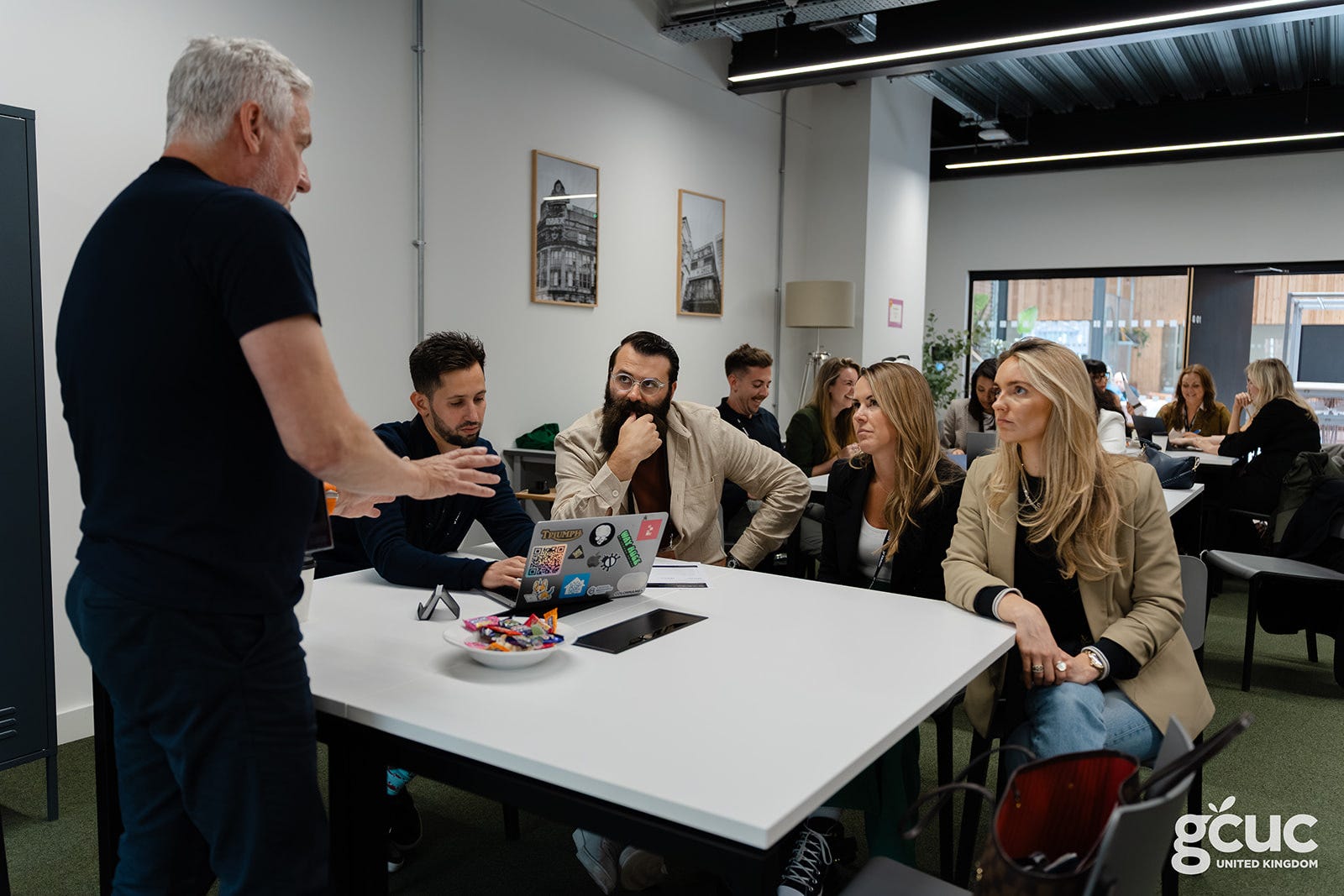
The people in that room weren’t data scientists. They were operators. Given the right context and the right tool, they out-analysed what a traditional process would take months to produce.
If your team can’t do what those teams did last week, that’s not a talent gap. It’s a context gap. Your data already exists — it’s just scattered across systems that don’t talk to each other, so the questions never get asked.
You can listen to the headlines that say AI isn’t paying off. Or you can lead it to pay off for your business.
I’ll say the uncomfortable part plainly: leaders who can learn, decide, and implement at this speed have a real edge over those who can’t — today, not in some tidy future state.
The gap I wrote about after New York, between operators experimenting and operators waiting, isn’t widening every quarter anymore. After Manchester, it’s widening every workshop.
If you want to know what your own data says when you finally ask it the hard questions, that’s a conversation I’d genuinely enjoy. Drop me a line or leave a comment — these are how the whole industry gets sharper.